
Essential Gear for Landscape Photography Workshops: Build a Kit That Inspires
Chosen theme: Essential Gear for Landscape Photography Workshops. Step into sweeping horizons with a reliable, field-tested kit that supports your creativity, keeps you safe, and helps you bring home expressive, gallery-ready images. Join our community, share your packing list, and subscribe for weekly, gear-focused tips tailored to real workshop conditions.
Choosing the Right Camera Body for the Elements
Full-frame bodies excel at dynamic range and cleaner high ISO files, especially when pre-dawn light demands flexibility. APS-C systems can be lighter and more budget-friendly, which matters when hiking with students. Consider your printing goals, post-processing latitude, and whether your workshops emphasize low-light, backlit scenes, or high-contrast midday vistas.
Lenses That Shape Your Vision
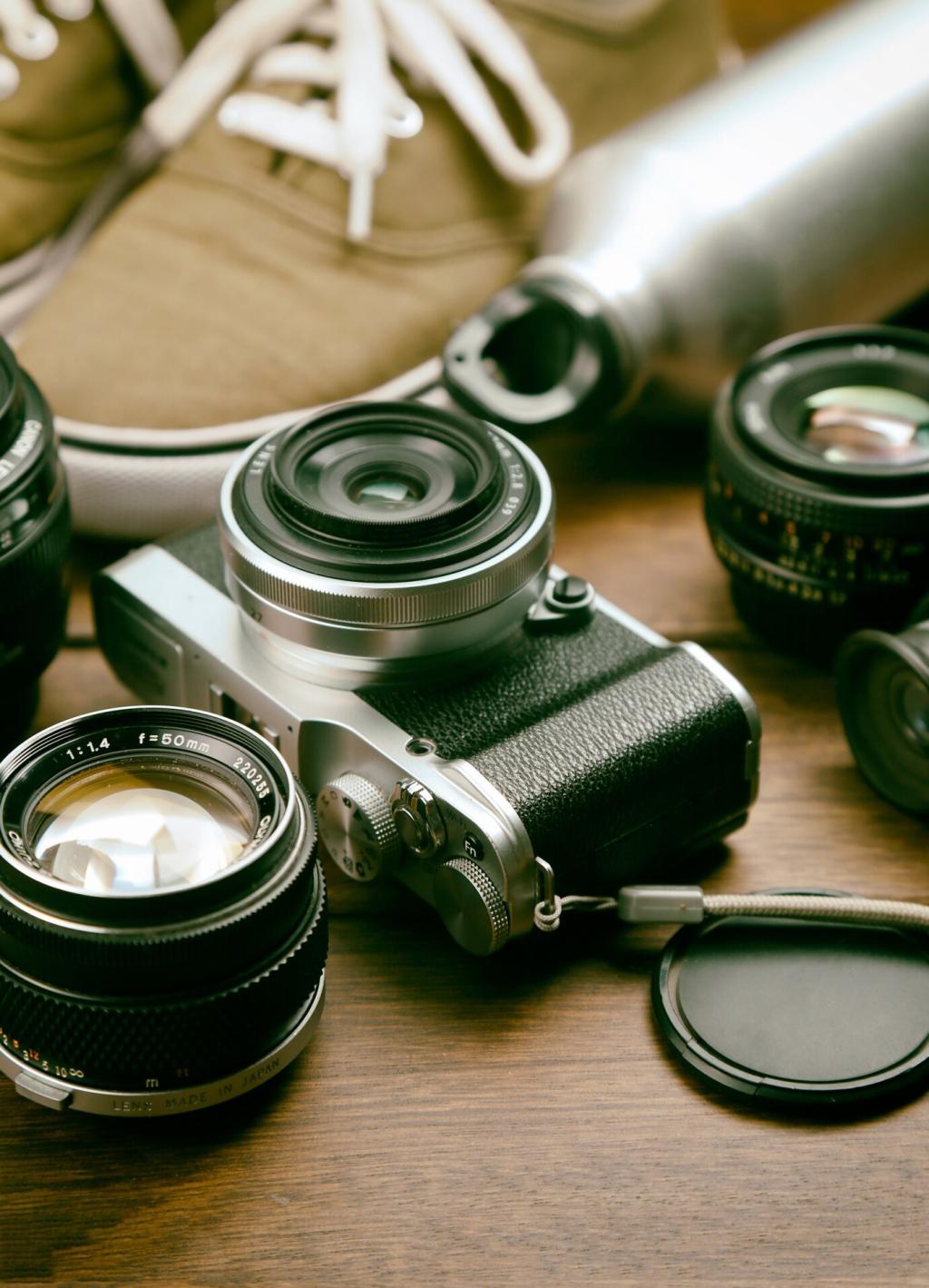
An ultra-wide zoom, like 14–24mm or 16–35mm, amplifies depth when you anchor compositions with compelling foregrounds. Watch for distortion at the edges and keep horizons level. Bring a microfiber cloth for sea spray and mist. What’s your favorite focal length for sunrise? Share your go-to ultra-wide and why it wins your backpack space.
Materials, Sections, and Height Strategy
Carbon fiber cuts weight and dampens vibration, but aluminum can be more affordable for beginners. Fewer leg sections usually mean more rigidity and faster setup. Aim for eye-level without extending the center column. Comment with your tripod model and why it works for your workshop style, from coastal rocks to alpine ledges.
Heads, Plates, and Fast Transitions
A smooth ball head or a precise three-way head helps fine-tune horizons and compositions. Use Arca-Swiss compatible plates for consistency across bodies and accessories. Quick-release clamps save time when students need guidance. Share your preferred head and plate combo, and subscribe for our comparative test of heads under gusty, real-world conditions.
Wind Tactics and Ground Practices
Hang your bag from the tripod hook cautiously, keep legs wider, and minimize center column usage in wind. Press the shutter with a remote or self-timer. Plant feet on solid ground, not shifting scree. Have a wind survival tip that saved a sunset shot? Join the conversation and help fellow workshop members stabilize their frames.

Filter Fundamentals for Landscapes
Circular Polarizer for Clarity and Color
A circular polarizer cuts glare on wet rocks, enriches foliage, and deepens skies. Rotate carefully to avoid uneven polarization on ultra-wide lenses. Watch shutter speed as light loss increases. Share before-and-after images with the group, and subscribe for our demonstration on maintaining natural-looking skies when using a polarizer at wider angles.
Neutral Density for Motion and Mood
ND filters lengthen exposure for silky waterfalls, cloud streaks, and dreamy waves. Keep a stable tripod, shield the viewfinder from leaks, and track wind direction. A 6-stop often handles golden hour, while a 10-stop controls midday. What’s your favorite ND strength? Comment below and trade field notes with fellow workshop photographers.
Graduated ND for Balanced Horizons
Hard-edge grads suit clean horizons; soft-edge grads excel over trees or mountains. Position with care to avoid dark bands. Consider blending exposures when grads feel intrusive. Tell us how you handle complex horizons in workshops, and subscribe for our tutorial on combining grads with exposure bracketing for natural, nuanced results.
Power, Storage, and Data Security
Cold saps battery life, so carry extras close to your body and rotate them often. Turn off unnecessary features, and avoid chimping between frames. USB-C power banks can top up in the field. Share your battery-saving hacks, and subscribe for a comprehensive cold-weather power checklist tested during high-altitude workshops.
Choose high-speed, reliable cards that match your camera’s buffer and slot standards. Use multiple smaller cards instead of one giant card to limit single-point failure. Label them clearly and rotate methodically. What’s your labeling system? Post your workflow to help new workshop participants avoid data mishaps on long shooting days.
A daily backup to a rugged SSD with checksum verification reduces anxiety. Keep copies in separate bags for redundancy. Consider a lightweight laptop or dedicated backup device. Tell us your off-grid backup routine, and subscribe for our guide to building a weatherproof backup kit tailored to multi-day landscape workshops.

A breathable base, insulating mid-layer, and windproof shell adapt to sunrise chills and midday heat. Pack a warm hat and light gloves for tripod work. Rain pants save the day on wet grass. What layering combo keeps you flexible? Share tips and subscribe for our seasonal wardrobe guide for landscape photographers.

Waterproof boots with good ankle support prevent slips on mossy rocks. Add microspikes or traction aids for icy trails. Keep spare socks in a dry bag. Tell us your favorite boot model and why it wins workshop days, from tidal flats to alpine meadows, and help newcomers prepare smart, safe footing.

A headlamp with red mode, a whistle, a compact first-aid kit, and a paper map complement your phone’s GPS. Mark waypoints and sunset egress routes. Communicate meetup times with the group. Share your essential safety checklist in the comments, and subscribe for our printable pre-workshop packing card.